Dear fellow traveler, this is not your typical Coimbra restaurant guide. The recommendations contained herein are born of my own experiences, though on certain miserable occasions where I could not visit a restaurant myself, I have relied on the accounts of experts – people whose professional lives are spent in the pursuit of a decent crust of bread.
I must warn you: despite the sometimes gloomy tone of my writing, the dishes and establishments mentioned are, regrettably, quite real and currently serving the public.
So if you thought the hills of Coimbra were the only thing designed to leave you breathless, wait until you sit down for a meal. The local cuisine is a reflection of the city’s academic soul: dense, traditional, and seemingly designed to induce a state of lethargy that makes finishing a thesis – or even finishing a sentence – feel like an impossible task. In Coimbra, vegetables are treated as a decorative garnish that accidentally fell onto a plate of roasted fat.
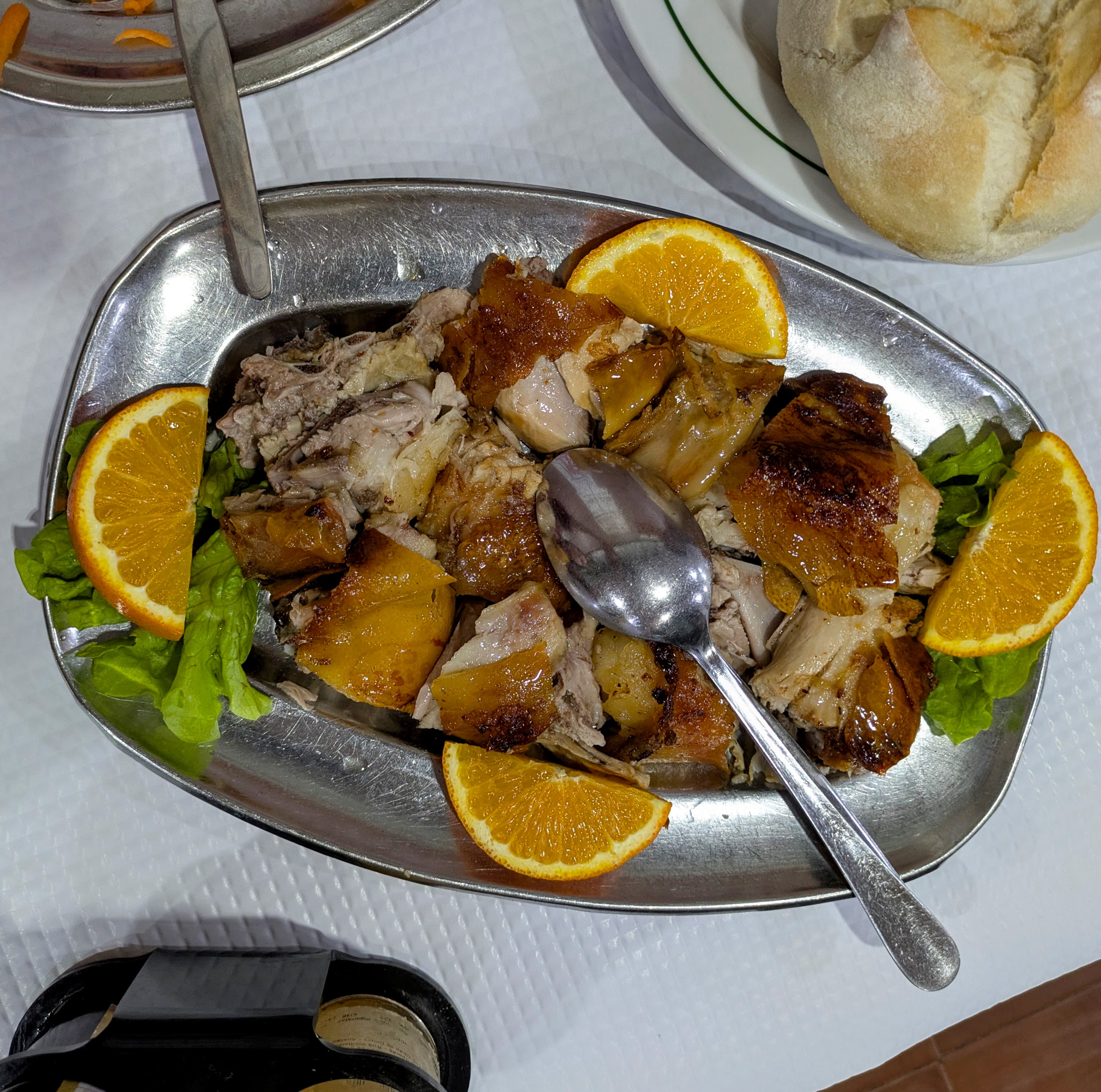
The menu here is dominated by the Leitão (suckling pig), a creature that died so that you might experience the unique sensation of skin shattering like glass between your teeth, and the Chanfana, a goat stew cooked in wine until the meat has accepted its fate as a dark, tender vessel of savory despair. You will dine in stone-walled taverns where the air is thick with the smell of woodsmoke and the judgment of waitstaff who have seen a thousand students fail their exams and have no time for your questions about gluten-free options. Prepare to fuel your ascent back to the University with enough animal protein to power a small medieval army, all while washing it down with a red wine so heavy it practically requires a knife to pour.
- Best Restaurants in Coimbra
- Local Specialties
- Traditional Restaurants in Coimbra
- Good Spots for Sweets in Coimbra
- Food Tours
This article is also featured on GPSmyCity. To download this article for offline reading or create a self-guided walking tour to visit the attractions highlighted in this article, go to Walking Tours and Articles in Coimbra.
And if you’re looking for things to do in Coimbra other than eat, read: Coimbra: A Journey Through Historical and Humorous Landmarks. If this is your first stop in Portugal, you may also want to read: Traveling to Portugal: A Cautionary Guide.
Best Restaurants in Coimbra
To prevent the predictable calamity of leaving Coimbra without having tasted its most exquisite delicacies, I must reluctantly insist you dine at Zé Manel dos Ossos and António dos Leitões.
Local Specialties
These are the bewildering traditional and local dishes that you should look forward to eating – or at least seek out for the purposes of historical documentation – during your ill-advised visit to Coimbra.
The Remains of the Day (Savory Entrées)
These dishes involve animals that have met a very permanent end, served in portions large enough to induce a nap from which you may never wake.
- Chanfana: Essentially, an elderly goat that has been drowned in a sea of red wine. This dish is cooked in a black clay pot until the meat is as dark as a moonless night. It is a somber reminder that time eventually catches up to us all, though rarely does it taste this savory when served with boiled potatoes.

- Leitão Assado à Bairrada: A suckling pig that has been roasted on a spit until its skin reaches a state of brittle, glass-like despair. To eat it is to witness the shattering of a golden, peppery crust – a sound not unlike the breaking of a heart, or perhaps just a very expensive vase.

- Ossos (Bones): There are few things more unsettling than being served a plate of literal skeletal remains. These pork spines are boiled until the morsels of meat cling to life by a mere thread. You must pick at them with your fingers in a dimly lit tavern, feeling very much like a scavenger in a gothic novel who has run out of options.

- Bacalhau à Lagareiro: A thick slab of dried, salted cod that has been rehydrated only to be submerged in an ungodly amount of olive oil. The fish is pummeled and roasted alongside punched potatoes – potatoes that have been literally assaulted to better absorb the golden fat. It is a dish that celebrates the ocean’s salt and the olive’s grease, ensuring that by the time you finish, your plate, your chin, and your very soul will be coated in a slick, shimmering film of Mediterranean excess.
Chaos in a Bun (The Questionable Quick-Fix)
A category dedicated to the frantic eating habits of students who have forgotten to study for their examinations and must consume calories while running up a very steep hill.
- Cachorro Quente: This is a hot dog, which, in Coimbra, is buried under a mountain of corn and batata palha – tiny, fried potato sticks that resemble the hay used to hide secrets in a barn. It is a chaotic, messy affair that will leave your shirt ruined and your dignity compromised.
The Convent’s Crumbling Secrets (Pastries & Sweets)
These items were invented by nuns who had a great deal of time, a great many egg yolks, and a penchant for creating things that shatter upon impact.
- Pastel de Santa Clara: A pastry born in a convent, which is a place where people go to think about their sins while whisking egg yolks. It is a thin, almond-filled half-moon that leaves a trail of powdered sugar on your clothes, much like the evidence left behind by a clumsy jewel thief.
- Pastel de Tentúgal: This pastry consists of dough stretched so thin it is practically invisible, wrapped around a center of sweet egg jam. It is so fragile that a single harsh word or a particularly heavy sigh could cause it to disintegrate into a thousand buttery flakes, leaving you with nothing but sticky fingers and regret.

- Arrufada: A sweet, yeasty bread roll that looks remarkably like a coiled rope or a crown. It is soft and unassuming, the sort of bread one might pack for a long, arduous journey toward a destination that will almost certainly be disappointing.
- Crúzios: Named after the Monastery of Santa Cruz, these are almond-crusted cakes that are as dense as a thick textbook. They are covered in sliced almonds that resemble the scales of a mythical creature – one that was likely defeated and turned into a snack for tourists.

Traditional Restaurants in Coimbra
Establishments of Echoes and Elegance
These are the grand, vaulted spaces where the architecture is as heavy as your thoughts and the linens are far cleaner than your conscience. One comes here to be reminded of what it is like to be civilized before returning to the inevitable rain.
Restaurante Solar do Bacalhau
Website | Map | Reservations
Dedicated entirely to a fish that has been dried, salted, and subjected to more transformations than a tragic teen’s wardrobe. It is a bright, bustling establishment where the cod is prepared in ways so numerous they could fill a very depressing encyclopedia.
- Go anyway because: It is the definitive proof that one can build an entire culinary identity out of a single, dehydrated fish.
- Good for: Large groups and people who find comfort in the reliable repetition of salted cod.
- Order: Bacalhau à Coimbra.
- Price: €€€ (Upper-Moderate). Approximately €25 – €35 per person.
- Additional tips: The wine list is extensive; use it to drown out the realization that you are eating yet more cod.
- Also recommended by: Lonely Planet, ms travel solo, Rick Steves, The Michelin Guide (Bib Gourmand 2026), and people who believe that a single species of fish, once sufficiently salted and dried, is a suitable substitute for a diverse ecosystem.
Marquês de Marialva
Website | Map | Reservations
A refined establishment where the linens are crisp and the service is far more polite than life generally warrants. It offers a sophisticated respite for those who prefer their traditional Portuguese cuisine served without the threat of immediate peril or sticky floors.
- Go anyway because: Sometimes it is nice to eat in a place where the staff doesn’t look like they’re planning your demise.
- Good for: A formal dinner where you wish to maintain the illusion that life is orderly and civilized.
- Order: Bacalhau à Lagareiro (cod swimming in more olive oil than you thought possible).
- Price: €€€€ (Premium). Approximately €35 – €50 per person.
- Additional tips: It’s located slightly outside the city center in Cantanhede, making it an excellent escape from the student rabble.
- Also recommended by: The Michelin Guide (Bib Gourmand 2026), fans of traditional Portuguese fine dining.
O Palco
Website | Map | Reservations
If the tavern owners of the Baixa represent the grit of Coimbra, O Palco represents the academic side of the kitchen – highly technical, slightly condescending, and obsessed with the provenance of every leaf. It is a place where a carrot is never just a carrot; it is a meditation on root vegetables that has been subjected to three different temperatures and a brief existential crisis before reaching your plate.
- Go anyway because: Sometimes it is nice to eat food that hasn’t been submerged in a liter of oil, and you’ve reached that point in your trip where your body is literally begging for a fiber molecule.
- Good for: A quiet dinner where the loudest sound is the scraping of a tiny spoon against a slate tile.
- Order: The tasting menu – it’s the only way to ensure you experience the full breadth of the chef’s culinary thesis.
- Price: €€€€ (Premium). Expect to pay €60 – €90 per person for the privilege of being educated while you eat.
- Additional tips: They focus heavily on the slow food movement, so do not come here if you have a train to catch or a will to live that requires immediate caloric satisfaction.
- Also recommended by: The Michelin Guide (Recommended), and philosophy professors who find that a carrot is only truly delicious once it has undergone a televised existential crisis.
The Theater of Grease and Grime
In these cramped and chaotic quarters, one negotiates for space to consume the remains of animals that have met a spicy end. They are loud, crowded, and perfectly suited for those who find comfort in the physical evidence of their own hunger.
Zé Manel dos Ossos
Website | Map | No Reservations
A cramped cavern papered with the frantic scribbles of the doomed. Here, one negotiates for space to gnaw on literal bones. It is an excellent meal consumed in a space that would make a claustrophobic person weep openly.
- Go anyway because: The food is legendary enough to justify the physical indignity of the seating arrangement.
- Good for: Testing the structural integrity of your ribs and your patience for long queues.
- Order: Ossos and Chanfana.
- Price: € (Economical). Approximately €15 – €20 per person.
- Additional tips: Get there 15 minutes before they open, or prepare to stand in the alleyway questioning your life choices.
- Also recommended by: Anthony Bourdain wannabes, Rick Steves, Eater, virtually every “authentic” foodie blog in existence.
João dos Leitões
Website | Map | Call for Reservations 23-982-1001
To visit João’s for Leitão Assado à Bairrada is to witness the grim end of a piglet, roasted until its skin crackles like a breaking heart. It is a specialized theater of carnivory where the sauce is spicy enough to make you forget your many misfortunes, if only for a fleeting, greasy moment.
- Go anyway because: The skin of the piglet is the only thing in this world that delivers on its promises.
- Good for: A baptism of fire and fat for those who find salad offensive.
- Order: Leitão Assado à Bairrada served with sliced oranges to provide a citrus-flavored illusion of health.
- Price: €€ (Moderate). Approximately €20 – €25 per person.
- Additional tips: Ask for extra pepper sauce, but only if you wish to feel something other than regret.
- Also recommended by: Lonely Planet, the connoisseurs of the Bairrada region, and anyone who values a crunch that can be heard three tables away.
António dos Leitões – Porta Larga
A cramped, efficient storefront in the Baixa designed for the traveler who wants the glory of the suckling pig without the inconvenience of a chair. It is a portal of porcine efficiency where the legendary roasted piglet is hacked into submission and shoved into a bread roll, providing a portable version of the Bairrada tragedy that you can eat while dodging students or fleeing the rain.
- Go anyway because: It is the most efficient delivery system for piglet-induced joy ever devised by man, allowing you to consume a masterpiece of fat and salt with the same lack of ceremony as a bag of chips.
- Good for: Eating while walking briskly toward a train you are almost certainly going to miss.
- Order: The standard Sandes de Leitão – hold the complications, embrace the grease; or the Leitão Assado à Bairrada if you want to sit.
- Price: € (Very Cheap). Approximately €6 – €8 per sandwich.
- Additional tips: Ensure you have ample napkins; the juice of the pig has a way of marking your clothes as a permanent souvenir.
- Also recommended by: Lonely Planet, ms travel solo, commuters, hurried tourists, and the “Route of the Pig” enthusiasts.

O Futrica
This is a beacon of late-night calories, operating during those hours when only ghosts and very hungry students are awake. It offers a catalog of high-protein distractions, including bifanas, kebabs, hamburgers, and hot dogs, and is the sort of place one visits when the fridge is empty and the soul is weary of more refined sorrows.
- Also recommended by: Every Coimbra University student who has ever failed an exam or stayed out too late celebrating a passing grade.
- Go anyway because: Sometimes the only thing that can bridge the gap between a bad decision and sunrise is a paper bag full of protein.
- Good for: Silencing the existential dread that sets in at 3:00 AM when the bars close.
- Order: A hot dog, or a Bifana – the classic pork sandwich that asks no questions and tells no lies.
- Price: € (Cheap). Approximately €6 – €10 for a late-night bifana.
- Additional tips: Do not expect a greeting; the staff is as tired of the night as you are. Lean into the neon glow.
Good Spots for Sweets in Coimbra
Briosa Coimbra
A bright, tile-clad corner where sugar is treated with more reverence than a secret document. Behind glass lie pastries with names of saints and textures of crisp parchment. It is a place to consume calories while watching the world pass by, oblivious to the tragic lack of crumbs in their lives.
- Go anyway because: Sugar is the only reliable cure for the steep hills of Coimbra.
- Good for: People-watching and acquiring a thin layer of powdered sugar on your soul.
- Order: Pastéis de Santa Clara and Pastel de Tentúgal.
- Price: € (Economical). Approximately €2 – €5 for a sweet reprieve.
- Additional tips: Grab a window seat; it’s the best vantage point for judging the fashion choices of passing tourists.
- Also recommended by: ms travel solo, Rick Steves, and the ghost of every dentist in Coimbra.
Café Santa Cruz
A repurposed church where the echoes of prayers have been replaced by the steam of coffee. It is a cavernous, vaulted space where one might ponder their misfortunes while nibbling a Crúzio, surrounded by stained glass and a lingering sense of solemnity.
- Go anyway because: It is the closest you will get to a religious experience without the commitment of a Sunday morning.
- Good for: Brooding over a notebook while pretending to be a 19th-century intellectual.
- Order: A Crúzio (the house pastry) and a coffee strong enough to wake the monks who once prayed there. Or consider the Arrufadas.
- Price: €€ (Moderate). Approximately €7 for a coffee and crúzio.
- Additional tips: Arrive during a Fado performance to truly lean into the local melancholy.
- Also recommended by: Rick Steves; ms travel solo; the Portuguese government, which classified it as a National Monument in 2021; and every guidebook since the dawn of Portuguese tourism.


Food Tours
If you haven’t the faintest wretched idea where to begin, a Coimbra food tour is a particularly efficient reprieve from the agony of choice, allowing you to sample a disheartening variety of morsels over the course of a few fleeting hours. Here are a handful of options that are, by general consensus, well-regarded.
- Coimbra Secret Wine and Food Tasting Private Guided Walk
- Bairrada Winery Route, half day from Coimbra
- Port Wine Tasting in Coimbra
Saúde!
As you scrape the last remnants of egg-yolk-based sweets – concocted by 16th-century nuns who clearly had too much time and sugar on their hands – from your plate, you will realize that Coimbra has claimed more than just your stamina; it has claimed your dignity. You came for enlightenment, but you are leaving with a food coma so profound it qualifies as a medical emergency.
The bill will arrive, delivered with the same somber gravity as a final grade, and you will pay for the privilege of having your arteries narrowed by centuries of tradition. As you stumble out into the cool, damp night air of the Baixa, the haunting sounds of a distant Fado singer will perfectly capture the mood of your gallbladder’s lament. You leave Coimbra with a heavy heart and a heavier stomach, knowing that while the kings of Portugal are long dead, their commitment to eating until they can no longer move lives on in you.
Here’s more dismal content you might enjoy:


Something went wrong. Please refresh the page and/or try again.