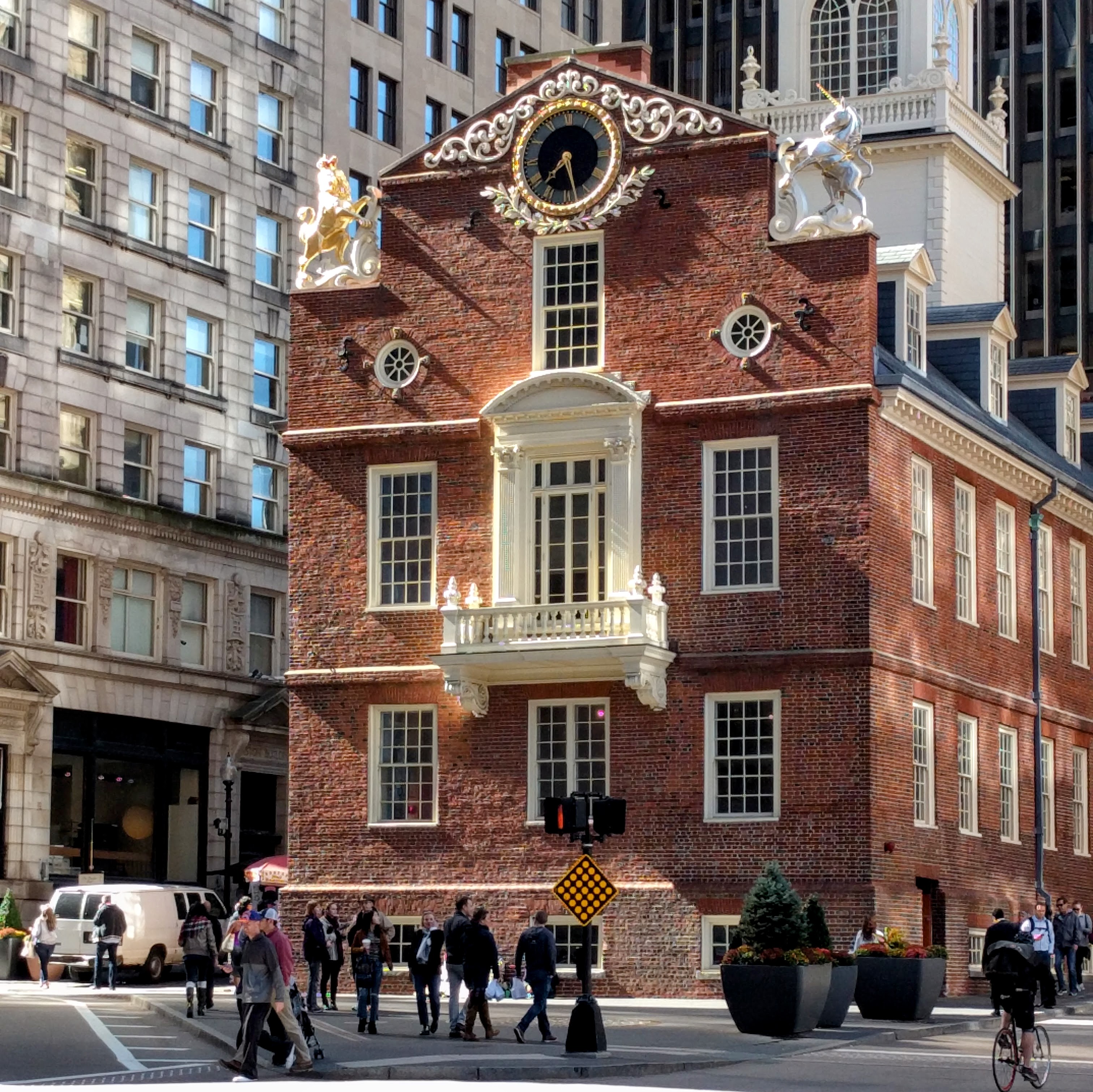
Dear fellow traveler, if you’re looking for yet another delightful “Top 10 Things to do in Boston list,” you have opened the wrong page. For starters, you will notice – if you have any talent for counting at all – that this list does not contain ten items. A list of ten would suggest a sense of completeness and order that simply does not exist in this wretched world. These recommendations are culled from my own harrowing experiences, though I have included a few locations I have not yet visited, solely because I have heard whispers of their greatness and feel a desperate, perhaps foolish, urge to see them for myself before something goes horribly wrong.
I must caution you: while the tone of this guide is somewhat grim, the logistical information contained within is – most distressingly – entirely accurate. I have meticulously recorded prices and logistical advice with a level of accuracy that is frankly exhausting. Every detail was correct at the time this document was published, though in a world as unstable as ours, accurate is a word that should always be whispered with a note of caution. You may use this information to plan your journey with terrifying efficiency, though why you would want to arrive at your destination any sooner is a mystery that I have no desire to solve.
So if you are a person who enjoys anything in the slightest – such as a pleasant stroll, a delicious meal, or the company of a loved one – then you should probably stop reading immediately and find something else to do. Because what follows is a grim and sorrowful account of Boston, a city that is filled with a great number of distressing and heartbreaking sights. Some of these sights are what people call the best things to do. But the truth is that a trip to Boston is a series of unpleasantries. One is often left feeling that the city was designed by a committee of people who had never met each other and who were also all very bad at their jobs. But for those of you who, for reasons that can only be described as a lack of better judgment, choose to continue, this article will guide you through the various dreary locations and miserable activities that the city has to offer. Do not say I did not warn you.
If this is your first stop in the United States, read Travel Warnings: The Real USA Experience.
Best Things to See and Do in Boston (And Why They Might Disappoint You)
In any given metropolis, there is a list of Best Things to See and Do, an optimistic and misleading phrase that suggests these activities will be entirely delightful and without peril. Such a list, however, is merely a catalog of places where one can witness something curious, or perhaps even perform a curious deed oneself. One should approach this list with caution and a healthy dose of suspicion, as no one can truly promise that what you see and do will be anything but an experience of dreadful consequence.
While I endeavor to furnish you with the costs of regular adult admission for the various locales of interest, you must understand that the proprietors of these places will almost certainly offer lesser prices for children, students, the elderly, people named Isabella, and other groups in order to make a simple transaction more complicated. You should also be aware of the Go Boston pass for access to over 40 Boston attractions, activities, tours, excursions, museums, and sights.
Monuments to Defeat and Deception (Historic Sites)
Visit these landmarks to contemplate the cold, hard facts of life and the unsettling truths that a grand story often conceals a spectacular loss.
Investigate the surprisingly modest Paul Revere House
- What the guides say: Constructed in approximately 1680, this edifice holds the distinction of being the oldest residential building still standing in the downtown district. It served as the dwelling for a particular silversmith and patriot, and it currently permits individuals to observe the domestic arrangements of the 1700s. One may examine authentic objects and study a specific nocturnal equestrian journey within the very timber and brick where the man resided.
- What they don’t tell you: This is a building so old and so precariously wooden that one half expects it to sigh and collapse into a pile of splinters at any given moment. One is told that it belonged to a man named Paul Revere, who was known for a particular and frantic midnight ride. The rooms are cramped and the ceilings are low, as if to remind you that in an earlier time, a person’s life was a more contained and altogether less comfortable affair. You will be told stories of Mr. Revere’s many children, a number so large it seems a family might have been more of an unfortunate population than a loving unit. And as you walk through its dark and narrow halls, you will have a most unpleasant feeling, as if you are being watched not by the living, but by the disapproving spirits of a great number of people who, for reasons that are likely lost to history, had to share a single, most unforgiving roof.
- Go for: The oldest remaining structure in downtown Boston and the home of the famous patriot during the American Revolution.
- Cost: Approximately $6 (cash or credit, but there is a $10 minumum for credit card payments).
- Original Materials: About 90% of the heavy timber frame is original to the 1680 construction.
- Planning Tip: The house is small and can get very cramped; try to visit on a weekday morning to avoid the school trip crowds.
- Photography: Interior photography is strictly prohibited, so focus your shots on the unique jetty (overhanging second floor) from the courtyard.
- Verdict: It’s a cramped, wooden time capsule that feels ready to collapse, but you must squeeze through to say you’ve touched 1680.

Ascend the dizzying heights of the Bunker Hill Monument
- What the guides say: This is a granite obelisk measuring 221 feet in height, intended to mark the location of the first significant military engagement of the American Revolution. It is situated upon Breed’s Hill, a place where one may acquire a great deal of information regarding martial history. Should you possess a surplus of physical energy, you may ascend 294 individual steps to view the city’s silhouette and the harbor from an elevated vantage point.
- What they don’t tell you: This towering obelisk stands not on Bunker Hill, but on Breed’s Hill. It commemorates a battle that was, for the American side, a spectacular defeat, where they ran out of ammunition and were forced to retreat. It serves as a stark reminder that even a loss, if it is a particularly bloody and inconvenient one for your opponent, can be spun into a grand and heroic tale, a deception I have seen employed on many occasions.
- Go for: A 221-foot granite obelisk commemorating the first major battle of the Revolutionary War.
- Cost: Free.
- Planning Tip: If you want to climb the 294 spiral steps to the top, you must arrive early to get a climbing pass (they are limited).
- Best Time: Late afternoon for the best light hitting the granite facade.
- Verdict: Scale the 294 grueling steps for a view that rewards your sweat, even if the battle it honors was technically a loss.

Despair at the Old North Church
- What the guides say: This structure is frequently associated with a signaling system involving lanterns – specifically, one for land arrivals and two for sea – and it remains the oldest church building in the city. It continues to function as an Episcopal house of worship while serving as a historical landmark. The interior features white wooden enclosures known as box pews and an antique organ, both of which accurately represent the aesthetics of the colonial era.
- What they don’t tell you: This is a place where two lanterns once hung, signaling that a great deal of trouble was coming by sea. The trouble, as is so often the case, arrived regardless of the warning. The church, with its spire pointing mournfully toward the sky, serves as a testament to the unfortunate truth that a simple signal, no matter how well-intentioned, can only do so much to prevent an impending calamity.
- Go for: Boston’s oldest standing church building, famous for the “One if by land, and two if by sea” lanterns.
- Cost: Starting from approximately $5 for self-guided access; more for guided tours (crypt/steeple).
- Planning Tip: Take the Crypt Tour if you aren’t claustrophobic; it’s one of the few places in the city where you can see 18th-century burials in situ.
- Photography: The high-walled box pews inside offer a unique perspective for architectural shots.
- Active Church: The church still has an active Episcopal congregation that meets every Sunday.
- Verdict: The spire stands as a somber reminder of impending doom, but the crypt tour is a hauntingly essential Boston bucket list item.


Follow the treacherous red line of the Freedom Trail
- What the guides say: A path marked by a red line extending for 2.5 miles, this route connects sixteen locations of historical importance. It functions as a museum located entirely outdoors, guiding pedestrians past various meeting halls, cemeteries, and churches. Completing the walk is a standard Bostonian activity that provides a thorough chronological account of the nation’s origin in the span of a single afternoon.
- What they don’t tell you: The Freedom Trail is a 2.5-mile strip of red brick that snakes its way through Boston. People will tell you that it leads to sites of great and glorious revolution, and they are technically correct. However, what they do not tell you is that this trail also forces you to walk a great distance, often in the company of a great number of other people who are also walking, all for the purpose of looking at things that have long since stopped moving. It is a trail that promises freedom while simultaneously locking you into a path from which you cannot stray, and at the end of which you will be quite tired and in dire need of a pastry. Or do not go where the path may lead, go instead where there is no path and leave a trail.
- Go for: A 2.5-mile red-lined route that leads you to 16 historically significant sites.
- Cost: Free to walk the line; individual sites may have entry fees.
- Planning Tip: You don’t have to do it all in one day. Break it into Downtown and Charlestown segments.
- Best Time: Start at the Boston Common around 9:00 AM to stay ahead of the largest tour groups.
- Verdict: Your feet will scream and the crowds are relentless, but following that red brick line is the only way to truly see the city.

Gaze upon the wooden USS Constitution
- What the guides say: Known by the moniker Old Ironsides, this vessel is the most ancient commissioned warship currently floating on the water. It was launched in 1797 and achieved notoriety during the conflict of 1812. Visitors are permitted to stand upon the wooden planks of the deck and converse with active-duty members of the Navy who are tasked with the ship’s preservation.
- What they don’t tell you: The USS Constitution is a ship, and ships, as any person who has spent a great deal of time on them will tell you, are not places for a pleasant and leisurely outing. They are places of great hardship and even greater danger. This particular vessel is a creaking and weathered relic of a bygone era. You are permitted to walk upon its decks, which one suspects are often slick with a fine layer of saltwater and melancholy. Visitors are able to board USS Constitution for free, and crew members will be on hand to answer questions. Unlucky visitors over the age of 18 must provide photo ID.
- Go for: Old Ironsides, the world’s oldest commissioned warship afloat.
- Cost: Free.
- Planning Tip: This is an active U.S. Navy vessel; security screening and a valid photo ID (for those 18+) are required for entry.
- Best Time: Aim for the Colors ceremony at 8:00 AM or sunset for a patriotic military tradition.
- The Name: It earned its nickname because British cannonballs were seen bouncing off its triple-layered oak hull as if it were made of iron.
- Verdict: Security is a hassle and the deck is slick with history, but boarding the world’s oldest floating warship is a non-negotiable thrill.

Examine the curious collection of artifacts at the USS Constitution Museum
- What the guides say: This institution is located a very short distance from the ship and is dedicated to chronicling the lives of the vessel’s sailors. Through various displays and a collection of maritime objects, it details the construction of the ship and its survival during naval combat. It is an educational destination that encourages physical interaction with the exhibits, which is often helpful for families.
- What they don’t tell you: Should you feel the need for more information about the USS Constitution, you may visit this museum, a place of particular and bewildering density. The museum is filled with dusty artifacts and long-winded explanations, a place where you are encouraged to learn all about the ship’s dreadful history, as if knowing the precise details of someone’s past misfortune will somehow prevent your own. It is a place that promises to answer all your questions about the ship, but, like a great number of historical narratives, leaves you with the unsettling feeling that the most important and tragic parts of the story have been conveniently left out. The suggested donation for a single ticket to this miserable institution is $15, and can be purchased at the door.
- Go for: Interactive exhibits that tell the personal stories of the sailors who lived on the ship.
- Cost: A $15 donation is suggested.
- Location: The museum is located just steps away from the pier and the ship.
- Interactive Activities: You can try your hand at virtually furling a sail or seeing how many hammocks can fit in a tiny space.
- Verdict: It’s a dense collection of maritime misery and sailor stories, yet trying to furl a virtual sail is worth the suggested donation.
Contemplate the solemn Robert Gould Shaw and the 54th Regiment Memorial
- What the guides say: Positioned directly across from the State House, this bronze work by the sculptor Augustus Saint-Gaudens commemorates one of the first African American regiments in the Civil War. It is widely regarded as a significant piece of public sculpture, depicting the serious expressions and brave stances of the soldiers as they moved toward their place in history.
- What they don’t tell you: This is a place for the sort of complex and difficult feelings that a person is wise to avoid entirely. It is a bronze sculpture, you see, of a man on a horse and a great many men on foot, all marching forward with a sort of grim and determined purpose. It is a monument not to a victory, but to a journey into the great and perilous unknown.
- Go for: A stunning bronze relief by Augustus Saint-Gaudens honoring one of the first African American regiments in the Civil War.
- Cost: Free.
- Photography: Use a portrait mode to capture the individual faces of the soldiers; each one was modeled after a different person to ensure unique features.
- Location: It’s located directly across from the State House at the edge of Boston Common.
- The Creation: The monument took the artist 14 years to complete because of his obsession with detail.
- Verdict: This bronze march into the unknown is heavy with grim determination, making it the most moving three minutes you’ll spend on a sidewalk.

Vaults of Eccentricity and Existential Dread (Museums)
Step inside these intimidating structures to confirm that the universe is a neat and orderly place only in the minds of the misguided.
Contemplate the perplexing display of art at Isabella Stewart Gardner Museum
- What the guides say: This building was designed to resemble a palace in Venice and features a central courtyard filled with flowers and surrounded by art galleries. The collection remains in the precise arrangement dictated by Mrs. Gardner herself, which creates a specific atmosphere for the viewer.
- What they don’t tell you: The Isabella Stewart Gardner Museum is a place of such willful and peculiar eccentricity that one suspects its creator, a woman of the same name, had a most specific and unshakeable idea of what a museum ought to be, an idea which did not include things like labels or explanations. It is a building that is an exact replica of a Venetian palace, a sort of architectural impersonation, and inside, the art is arranged with chaotic precision. And of course, one cannot speak of this museum without mentioning the great and unsolved mystery of the art that was stolen in 1990, a crime so baffling and so utterly without a proper conclusion that it serves as a grim reminder that some things, once gone, are simply gone forever.
- Go for: A Venetian-style palace filled with world-class art and a stunning, year-round flowering courtyard.
- Cost: Approximately $22 (Free if your name is Isabella).
- Planning Tip: Timed entry tickets are mandatory; book at least a week in advance for weekends.
- Photography: Photography is allowed without flash, but the courtyard is the money shot. Stand on the second-floor balcony for the best angle.
- Missing Art: Several frames hang empty on the walls – they mark the spots of paintings stolen in the famous (and unsolved) 1990 art heist.
- Verdict: The labels are missing and the frames are empty from a legendary heist, but the flowering courtyard is an absolute masterpiece.
Absorb the immense collection of art at the Museum of Fine Arts, Boston (MFA)
- What the guides say: This is an expansive institution containing a vast array of objects ranging from ancient Egyptian artifacts to modern paintings. A specific section dedicated to the Art of the Americas displays items from pre-Columbian times to the present day. Its numerous rooms offer a comprehensive look at the history of human artistic endeavor across the globe.
- What they don’t tell you: You will find here a baffling assortment of paintings, sculptures, and tapestries, arranged in a way that suggests a great deal of organization and a great deal of confusion at the same time. One might stand for hours, staring at a single work of art and pondering its meaning, only to be reminded by the sheer size of the collection that there are a great many other things you are not looking at, a frustrating and altogether miserable feeling that is not unlike being in a room filled with a great many pastries and only being allowed to smell them.
- Go for: One of the most comprehensive art museums in the world, specifically the Art of the Americas wing.
- Cost: Approximately $30.
- Planning Tip: The museum is massive. Pick two or three galleries (like Ancient Egypt or Impressionism) rather than trying to see it all.
- Photography: The Shapiro Family Courtyard is a massive glass-enclosed space with incredible natural light for modern architectural photos.
- Verdict: You will leave exhausted and overwhelmed by the sheer scale, but the Art of the Americas wing is simply world-class.
Uncover the unsettling truths of the universe at the Museum of Science
- What the guides say: A location designed for those who wish to understand how things work, this museum contains more than 700 exhibits, a planetarium, and a very large cinema screen. It features a Theater of Electricity where lightning is produced indoors and a garden populated by butterflies. It serves as a primary location for individuals of all ages who enjoy learning about the natural world.
- What they don’t tell you: The Museum of Science is filled with machines that do things for no clear reason and exhibits that explain the unexplainable, as if to convince you that the world is a neat and orderly place. It is a building filled with interactive displays, a place where you can learn about the peculiar and often-alarming habits of animals, or the baffling intricacies of physics. You will see things that whir and hum and flash with a peculiar sort of energy, all in an attempt to prove that the universe operates on a series of logical principles.
- Go for: Over 700 interactive exhibits, a planetarium, and the world’s largest Van de Graaff generator.
- Cost: Approximately $33.
- Planning Tip: Don’t miss the Lightning! show in the Theater of Electricity; check the daily schedule as soon as you arrive.
- Location: The museum sits directly on top of the Charles River Dam.
- Best Time: Late afternoon on weekdays when school groups have departed.
- Verdict: It’s a chaotic whirlwind of whirring machines and school groups, but the indoor lightning show is a spectacular jolt to the senses.
Ponder the perplexing legacy of a president at the John F. Kennedy Presidential Library and Museum
- What the guides say: Designed by the architect I.M. Pei, this building sits by the water and serves as a record of the life of the 35th president. It utilizes film footage, paper documents, and staged rooms – such as a replica of the Oval Office – to provide information about the early 1960s and the specific events of the Kennedy administration.
- What they don’t tell you: This is a place dedicated to the memory of a person who once held a great deal of power, but it serves as a grim and silent reminder that no matter how much power one holds, one’s story can be cut short in a most abrupt and final fashion. Inside, you will find artifacts and photographs, a sort of catalogue of a life that was both celebrated and terribly, tragically ended.
- Go for: A deep dive into the life, legacy, and Camelot era of the 35th President, housed in a striking I.M. Pei building.
- Cost: Approximately $24 for a timed-entry ticket.
- Photography: The Pavilion (the large glass atrium) offers stunning, unobstructed views of the Boston skyline and the harbor.
- Planning Tip: It’s located at Columbia Point; use the free Paul Revere Route 1 shuttle bus from the JFK/UMass MBTA station.
- Hemingway: The museum holds the original papers and correspondence of Ernest Hemingway.
- Verdict: The architecture is as striking as the history is tragic, offering a poignant perspective on power that you shouldn’t miss.


Scrutinize The First Church of Christ, Scientist
- What the guides say: Located within a large plaza, this site includes a grand cathedral and the Mapparium, which is a globe made of stained glass that one may walk through. The architecture is notable for its scale, and the outdoor area includes a long reflecting pool, providing a quiet environment for thought in the middle of a crowded city.
- What they don’t tell you: This building, you see, is so large and so startlingly white that it seems to be shouting its own existence at you, like a person who insists on using a megaphone to tell you their name. And while you might expect such an edifice to contain some sort of comforting, mundane truth, its interior is so vast and echoing, with a world globe made of glass and a dome that goes on forever, that it reminds a person of the unsettling fact that some questions may never be answered.
- Go for: The Mapparium – a three-story-tall, stay-in-place glass globe that you walk through via a bridge.
- Cost: $6 for the Mapparium; Visit the Welcome Hall at “How Do You See the World” to join a free 40-minute tour
- Photography: Photos are strictly forbidden inside the Mapparium globe, but the Reflecting Pool outside is one of the most Instagrammed spots in Boston.
- Acoustics: Because the Mapparium is a perfect sphere with hard glass surfaces, it has whispering gallery acoustics – you can hear a whisper from the other side of the bridge clearly.
- Best Time: Golden hour for shots of the church reflected in the 685-foot-long pool.
- Verdict: The Mapparium is a bizarre, whispering glass globe that defies logic, making the mandatory tour a strangely memorable highlight.


Labyrinths of Elegant Sadness (Neighborhoods & Streets)
Navigate these picturesque districts where the cobblestones are inconvenient and the hedges are perfectly manicured to hide a deep sense of loss.
Wander the charming yet confounding streets of Beacon Hill
- What the guides say: This neighborhood is characterized by its narrow streets, lamps fueled by gas, and houses built in the Federal style. It is frequently noted for its visual appeal and contains both the Massachusetts State House and Acorn Street. Walking through this area provides a clear impression of the city as it appeared during the 19th century.
- What they don’t tell you: Beacon Hill is a neighborhood so picturesque and so charmingly antiquated that one suspects it is a place designed to lull a person into a false sense of security. The streets are paved with cobblestones, which are terribly inconvenient to walk on, and the houses are all made of red brick. It is a place where a great deal of wealthy people reside, a fact that is always a cause for concern, as wealth, as we know, often comes with a great deal of secrets and a particular penchant for terrible behavior.
- Go for: The most picturesque neighborhood in the city, featuring Federal-style rowhouses and gas-lit lanterns.
- Cost: Free to walk.
- Photography: Acorn Street is often cited as the most photographed street in America (Map).
- Dress Code: Wear comfortable shoes; the cobblestones are notoriously uneven.
- Coffee First: Visit the Tatte Bakery & Cafe on Charles Street for a coffee before wandering the residential side streets (Map).
- Original Materials: The purple glass panes you see in some windows are original 19th-century glass that turned purple over time due to a chemical reaction with sunlight.
- Verdict: The cobblestones are a treacherous ankle-trap and the residents are suspiciously wealthy, but the purple window panes and gas lamps are peak Boston.
Meander down Newbury Street
- What the guides say: Stretching through the Back Bay, this thoroughfare is a primary location for commerce and dining. The street is lined with 19th-century residential buildings that now contain luxury shops, small cafes, and galleries. It is a suitable place for observing other people, looking at items in windows, or consuming a meal at a table positioned on the sidewalk.
- What they don’t tell you: Newbury Street is a place where one finds a bewildering variety of shops, each one more meticulously arranged than the last, as if to convince you that if you only buy the right sort of trousers or the most expensive tea, your life will finally be a peaceful and orderly affair. And as you stroll along, you will find yourself in the grave and perilously difficult position of not knowing where to look first – at the perfectly manicured hedges, the impossibly expensive handbags in the windows, or the people who seem to have a particular sort of elegant sadness about them, as if they, too, are desperately searching for something they have lost, perhaps a pair of particularly beloved mittens, or perhaps their own blissful ignorance.
- Go for: Eight blocks of high-end shopping, trendy cafes, and beautiful brownstone architecture.
- Cost: Free to window shop; $$$ for dining and retail.
- Planning Tip: The shops get more high-end as you move from Massachusetts Ave (Map) toward the Public Garden (Map).
- Fun Fact: The street was originally underwater; it was created in the mid-19th century as part of the Back Bay landfill project.
- Photography: In the spring, the magnolia trees lining the street create a stunning pink canopy for street photography.
- Verdict: Expect to feel a profound sense of elegant sadness as you browse things you can’t afford, yet the magnolia-lined brownstones are worth the walk.
Traverse the narrow and winding streets of the North End
- What the guides say: This is the city’s most ancient residential quarter – a confusing thicket of narrow paths where the scent of dough and sugar is omnipresent. It is frequently referred to as Little Italy and contains both the home of Mr. Revere and the Old North Church. Aside from these historical facts, it is a primary location for the consumption of Italian cuisine and tubular pastries known as cannolis, which are sold by competing businesses.
- What they don’t tell you: The North End is a peculiar and disquieting place, a neighborhood so narrow and winding that one feels constantly on the verge of becoming lost, or perhaps of tumbling into a vat of simmering tomato sauce. It is a place filled with eating establishments and old-world charm, which is a phrase often used to describe places that are cramped, difficult to navigate, and smell suspiciously of cannoli and forgotten Italian histories.
- Go for: Boston’s Little Italy – historic narrow streets, incredible pasta, and famous pastry shops.
- Cost: Free to explore.
- Best Time: Weekdays before 5:00 PM to avoid the massive dinner crowds.
- Planning Tip: Most of the best authentic spots are cash only, so hit an ATM before you arrive.
- Photography: Walk down All Saints Way, a private alleyway filled with religious shrines that is a hidden gem for unique photos (Map).
- Verdict: You will certainly get lost in a disorienting thicket of narrow alleys, but the scent of sugar and the promise of a cannoli make the confusion tolerable.


Observe the gilded dome of the Massachusetts State House
- What the guides say: Located at the summit of Beacon Hill, this building is topped with a dome covered in 23-karat gold leaf, which makes it very easy to spot. It was designed by Charles Bulfinch and finished in 1798 to house the government of Massachusetts. Inside, one may find a collection of flags and a wooden carving of a fish known as the Sacred Cod, which serves as a reminder of the local fishing trade.
- What they don’t tell you: The Massachusetts State House is a building of such gaudy and brazen splendor that it seems to be shouting at the city from atop Beacon Hill, “Look at me! I am important and covered in gold!” One is reminded of the sort of person who wears a great deal of makeup in a desperate attempt to disguise a most unpleasant and troublesome personality.
- Go for: The seat of the Massachusetts government and its iconic 23-karat gold dome.
- Cost: Free (45-minute guided tours available Mon–Fri from the Doric Hall).
- Color Change: The dome was originally made of wood, then covered in copper by Paul Revere, and finally gilded in gold in 1874.
- Planning Tip: You must pass through security to enter; bring a valid ID if you want to take a tour.
- Photography: Stand at the top of the stairs in the Boston Common (across the street) to get the full building and dome in your frame.
- Verdict: It is a brazenly gaudy building shouting for attention with a 23-karat gold dome, but the historical interior is a mandatory exercise in civics.

Pastures of Punishment and Precarious Beauty (Parks & Squares)
Stroll through these deliberately beautiful spaces to uncover the long and unfortunate history of hanging, grazing, and compliance.
Stroll through the Boston Common
- What the guides say: Established in 1634, this is the oldest public park in the United States. In previous centuries, it was used for the grazing of cows, but it is now a central part of the city’s park system. It contains a body of water called Frog Pond for ice skating and serves as the starting point for a specific historical walking tour.
- What they don’t tell you: The Boston Common is a large, grassy field in the middle of a bustling city, a place that seems, to the untrained eye, to be nothing more than a place for a picnic. But this is a most inaccurate assessment. The Boston Common has, in fact, a long and unfortunate history of being used for things that are far from pleasant. It has served as a place for the grazing of livestock, the punishment of criminals, and even the hanging of people, a fact that is not mentioned in the tourism brochures.
- Go for: The oldest public park in the United States (established in 1634).
- Cost: Free.
- Best Time: Winter for skating on the Frog Pond (Map), or summer for the free Shakespeare in the Common performances.
- Public Hangings: It was once used as a cow pasture and a site for public hangings during the colonial era.
- Photography: The Soldiers and Sailors Monument on Flagstaff Hill offers the best elevated view of the park (Map).
- Verdict: Beneath the charming picnic spots lies a grim history of public hangings and grazing cows, but as the oldest park in America, it’s a required trek.


Ride the swan boats at the Public Garden
- What the guides say: This space is situated across from the Common and was the first botanical garden in the country intended for public use. It features Victorian floral arrangements, willow trees, and boats shaped like large white birds that have operated since 1877. The atmosphere is more orderly and decorative than that of the adjacent park.
- What they don’t tell you: The Boston Public Garden is a place of such immaculate and deliberate beauty that it seems to be actively mocking the rest of the world for being so messy. Here, you will find beds of flowers so precisely arranged that they look as if they have been instructed to behave. The very pathways meander, as if to prove that one does not need to rush headlong into a terrible predicament. And there are the famous swan boats, which are, you will be told, a pleasant and romantic ride. But a person with a proper understanding of the world knows that to be on a boat, no matter how small or swan-like, is to place oneself at the mercy of the water.
- Go for: A manicured, Victorian-style park featuring the famous Swan Boats.
- Cost: Free to walk; Swan Boats are approximately $4.75 for adults.
- Best Time: Late April/Early May when the tulips are in full bloom.
- Photography: The footbridge over the lagoon is the quintessential Boston photo spot – aim for a shot with a Swan Boat passing underneath (Map).
- Location: It is separate from the Boston Common; they are divided by Charles Street.
- Verdict: The swan boats are a romantic trap that puts you at the mercy of the water, but the Victorian flower beds are so precise they demand your respect.
Wander through the Granary Burying Ground
- What the guides say: Dating back to 1660, this cemetery contains the remains of several individuals of historical note, including Paul Revere, Samuel Adams, and John Hancock.
- What they don’t tell you: It is a most disagreeable and disheartening fact that at a certain point in one’s life, or perhaps a city’s life, a designated place must be set aside for the solemn and inconvenient business of dying. Such a place is the Granary Burying Ground. One might expect to find here a peaceful and well-manicured lawn, a place to contemplate the fleeting nature of life with a pleasant cup of tea. But you would be sorely mistaken. Instead, you will find a peculiar and disquieting jumble of crooked headstones, as if they were once in an orderly line but have since decided to whisper secrets to one another in the middle of the night. Here, one finds the final resting places of people whose names you may have heard – Mr. Samuel Adams and Mr. Paul Revere. It’s all a hint that no matter how famous or important you are, in the end, you will simply become a name on a piece of stone, and perhaps one day a tourist will stand over you and wonder if it is time for a beer.
- Go for: The final resting place of Revolutionary War icons like Paul Revere, Samuel Adams, and John Hancock.
- Cost: Free.
- Photography: Look for the Soul Effigies (winged skulls) on the headstones, which provide a somber record of colonial artistic preferences.
- Safety: Stay on the designated paths; the ground is uneven, and the site is strictly protected.
- Benjamin Franklin: There is a large obelisk in the center for the family of Benjamin Franklin (though Ben himself is buried in Philadelphia).
- Verdict: The headstones are a crooked, whispering jumble of mortality, but standing over the resting places of Revere and Adams is a vital, somber experience.


Witness the absurd Make Way for Ducklings
- What the guides say: These bronze figures in the Public Garden are a tribute to a book by Robert McCloskey. They represent a mother duck and her eight offspring, all of whom have names that rhyme, such as Jack and Quack. Children frequently interact with the statues, and residents occasionally place small items of clothing on them during the winter months.
- What they don’t tell you: The statues of the ducklings are a particularly unsettling sight, though many people, with their cheerful and misguided naiveté, seem to find them charming. They are, you see, a series of bronze sculptures representing a mother duck and her eight small, identical ducklings, all marching in a line behind her. People will tell you that this is a story of a family and a safe journey, but do not be so easily fooled. For each one of those ducklings is a stark reminder of the terrible truth of being an identical sibling – that you are not one person, but one of a great many, all following the same path, and all dreadfully vulnerable.
- Go for: The bronze statue of Mrs. Mallard and her eight ducklings, based on the famous children’s book.
- Cost: Free.
- Location: Found in the Public Garden near the corner of Beacon and Charles Streets.
- Dress Up: Locals often dress the ducks in outfits – scarves in winter, jerseys when a Boston sports team is in the playoffs.
- Photography: Get low to the ground to capture the parade of ducks with the park greenery in the background.
- Verdict: These bronze statues are a chilling reminder of the loss of individuality, but you should still join the crowds to see them dressed in tiny scarves.


Search for Tortoise and Hare
- What the guides say: Located in Copley Square near the end of a very long race, these bronze sculptures by Nancy Schön refer to a well-known fable by Aesop. They are intended to honor the participants of the Boston Marathon. The statues represent the idea that different speeds of travel can eventually lead to the same destination.
- What they don’t tell you: These statues, while meant to be a whimsical tribute to the Boston Marathon, are in fact a cruel joke. They are not a cheerful reminder that slow and steady wins the race, but rather a testament to the cold, hard fact that life is a race, and no matter how fast you go, a moment of complacency – like the hare’s nap – can lead to a disaster. The tortoise, in this grim reality, is simply trudging along toward an inevitable, and likely miserable, finish line.
- Go for: The Boston Marathon Memorial statues celebrating the slow and steady and the fast.
- Cost: Free.
- Location: Located in Copley Square, right near the Marathon finish line.
- Planning Tip: It’s a great spot to sit and rest while exploring the nearby Library and Trinity Church.
- Photography: These are tactile statues – kids (and adults) are encouraged to sit on them for photos.
- Verdict: These sculptures are a cruel mockery of the exhausting race of life, but they offer a perfect, tactile resting spot at the Marathon finish line.


Hubs of Consumption and Dashed Hopes (Commerce & Sport)
Enter these bustling halls and arenas to witness the sensory overload of commerce and the particular brand of misery found in modern spectacle.
Acquire your provisions from Boston Public Market
- What the guides say: This is an indoor facility where more than 30 vendors sell food and goods produced within the New England region. All items, including donuts made from cider and various types of cheese, are sourced locally. It serves as a central location for the trade of regional agricultural and artisanal products.
- What they don’t tell you: The Boston Public Market is a peculiar and confusing place, filled with a great deal of deliciousness and a peculiar, overwhelming smell that is not unlike what might happen if you were to lock a particularly enthusiastic farmer and a great number of cheeses in a single room. But while it is a happy and bustling place on the surface, beneath all the cheerful commerce lies a great and tragic secret: the market’s very purpose is to tempt you with things you do not have and will never be able to afford, all the while reminding you of the stark and miserable truth that no matter how many jars of artisanal honey you purchase, you will never truly be able to sweeten the bitter taste of a truly miserable day.
- Go for: An indoor, year-round market featuring local New England farmers, fishmongers, and food producers.
- Cost: Free entry; variable for food.
- Best Time: Lunchtime to sample different local bites like lobster rolls or artisan cheeses.
- Photography: The Produce Ro” area has vibrant, colorful displays of local seasonal veggies.
- Verdict: It’s a sensory overload of artisanal honey and overwhelming cheese, but the cider donuts are a sweet distraction from the misery of commerce.


Peruse the peculiar wares of the Faneuil Hall Marketplace
- What the guides say: Often called The Cradle of Liberty, this site consists of four separate buildings used for meetings, commerce, and dining. It includes a large central hall where many speeches were given and a long corridor where various types of food are sold. People often gather on the cobblestones to watch individuals perform various stunts for entertainment.
- What they don’t tell you: Faneuil Hall Marketplace is a place where people sell trinkets and consume a great deal of clam chowder, a type of warm, milky soup. The history of the place is quite serious, having once been a place where people of great importance gave speeches about liberty and other such things of great importance. But now, it is a place for jugglers and street performers, a bizarre sort of modern-day spectacle for the entertainment of tourists.
- Go for: A historic meeting hall and a bustling marketplace (Quincy Market) filled with food stalls and street performers.
- Cost: Free to enter.
- The Name: Faneuil Hall is known as the Cradle of Liberty because of the famous speeches given there by Samuel Adams and others.
- Planning Tip: Avoid eating a full meal in the central food court if you want a quiet experience; head to the North End nearby instead.
- Photography: The cobblestone plazas outside are perfect for capturing the high-energy street performers.
- Verdict: It has traded its revolutionary dignity for jugglers and milky clam chowder, but the Cradle of Liberty remains an unavoidable city spectacle.
Attend a baseball game at Fenway Park
Website | Map | Tour Tickets
- What the guides say: Opened in 1912, this is the oldest stadium currently used for Major League Baseball. It is the home of the Red Sox and possesses several unique physical features, such as a very tall green wall in left field. When games are not occurring, people may take tours to sit in the original wooden chairs and learn about the stadium’s long history.
- What they don’t tell you: Fenway Park, home of the Red Sox, is a place where a great many people gather to watch a group of men in a variety of peculiar uniforms run around with sticks and a small, white ball. The stadium is often filled with loud and cheerful shouting, a sound that can be quite overwhelming. And while you might be told that baseball is a game of skill and athletic prowess, a person who understands the nature of disappointment will see that this is a place where hope is constantly being raised and then, in an instant, utterly dashed.
- Go for: America’s Most Beloved Ballpark – home of the Boston Red Sox and the iconic Green Monster.
- Cost: Game tickets vary; approximately $32 for a walking tour.
- Planning Tip: Even if there isn’t a game, the 1-hour walking tours are worth it to see the Lone Red Seat.
- Superlative: It is the oldest active ballpark in Major League Baseball (opened in 1912).
- Verdict: It’s a place where hope goes to be dashed by men in peculiar uniforms, but the history of the Green Monster makes every expensive ticket worth it.
Enter the TD Garden
TD Garden Website | Map | The Sports Museum Website and Tour Tickets
- What the guides say: This arena was built to replace a previous structure and serves as the home for both a basketball team and a hockey team. It is positioned directly above a train station, which makes it a very busy location. The building also contains a museum dedicated to the history of sports in the New England area.
- What they don’t tell you: The TD Garden is a large, featureless building where people with an unhealthy and most bewildering interest in things like hockey and basketball gather in great numbers, all to watch two groups of people chase something around a rink or a floor.
- Go for: The home of the Boston Celtics (NBA) and Boston Bruins (NHL).
- Cost: Game/concert tickets vary; approximately $34 for The Sports Museum inside.
- Planning Tip: Check out The Sports Museum located on levels 5 and 6 – it’s a hidden gem for sports fans.
- Location: It was built directly on top of the old Boston Garden (literally, the new one sits on the old parking lot).
- Verdict: A featureless arena built on a parking lot for the sport-obsessed, but the Bobby Orr statue is the only way to properly honor Boston’s grit.

Retreat to the Boston Public Library – Central Library
- What the guides say: This building in Copley Square was the first large municipal library in the country to offer books at no cost to the public. The older section, known as the McKim Building, contains paintings by John Singer Sargent and a courtyard designed in an Italian style. It combines older architectural elements with a newer glass wing to provide a place for study.
- What they don’t tell you: The library is so large and so full of information that the very idea of reading all of its books is a particularly discouraging and hopeless prospect. You will find here a vast and beautiful reading room, a place of hushed and solemn grandeur, where one can go to get lost in a world of books and facts.
- Go for: One of the most beautiful public buildings in the US, featuring a stunning courtyard and grand reading rooms.
- Cost: Free.
- Photography: Bates Hall (the main reading room), with its green lamps and barrel-vaulted ceiling, is incredibly photogenic.
- Planning Tip: Visit the Courtyard – it’s an Italianate-style oasis that is one of the quietest spots in the city.
- Superlative: It was the first large free municipal library in the United States.
- Verdict: The sheer volume of unread books is a discouraging reminder of your own ignorance, but the Italianate courtyard is the most beautiful retreat in town.
Perhaps in your travels, you have learned a valuable lesson, also known as a bitter and regrettable truth, that no matter where you go, you can never truly escape the never-ending inconvenience of modern life. The world, much like a trip to Boston, is one disappointing experience after another, until at last, you find yourself at the conclusion. As you leave the city of Boston behind, know that the memories will remain, like a persistent drizzle on a dreary afternoon, reminding you that even in the pursuit of pleasure, a person is never truly safe from the inescapable grip of their own misfortune. Good luck. You’ll need it.
Further Reading
For those seeking a less grim and more agreeable view of Boston, a variety of alternative sources are available. Naturally, these come with the caveat that such portrayals often serve as a glossy veneer over a much harsher reality, and are best approached with a generous measure of skepticism.
- Meet Boston
- Boston.gov: Visiting Boston
- “The Only Boston Bucket List You Need: 65+ Unique Boston Experiences” by My Wanderlusty Life
- “14 Unique and Non-Touristy Things to Do in Boston” by Bookish Wayfarer
- “Boston Travel Guide” by Nomadic Matt
- “36 Hours in Boston: Things to Do and See” from the New York Times (Paywall)
- “A brand new Boston, even whiter than the old” from the Boston Globe (Paywall). My apologies. It appears that there is a limited number of rose-coloured perspectives on Boston.